Museum · Room 1

The origins, 1371–1623

From King João I’s charter to the dowry that took the quinta to the Cardinal’s family.

Each document has its image, what it says in a few lines, the original passage and where it is kept. Quotations keep the spelling of the document.

Document shown without an image.

1371

The first time the name appears

A ruling by King Fernando names the «moradores de Alcoentrinho e Torre Bella» — the residents of Alcoentrinho and Torre Bella. It is the oldest known mention of the place.

The original has not been found. What survives is a catalogue summary made from a sixteenth-century copy.
Proven by catalogue descriptionNational Library of Portugal, inventory of manuscripts.

Document image: The king protects the quinta

Click the image to enlarge.

1411

The king protects the quinta

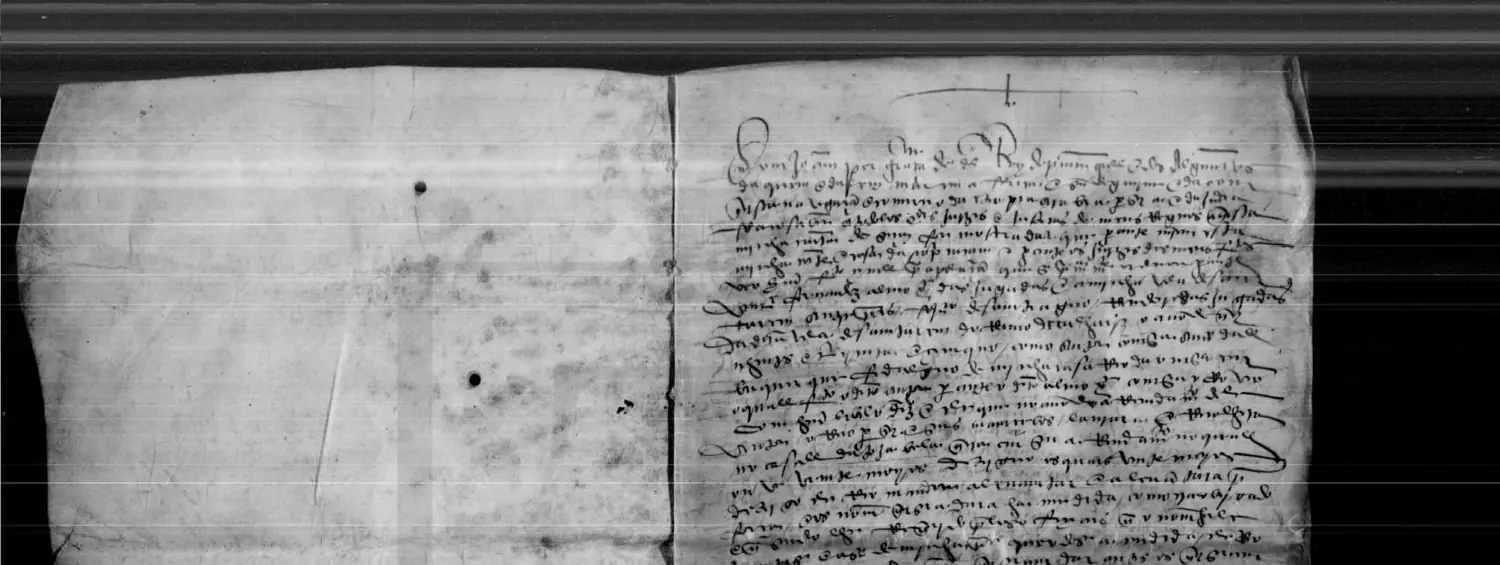
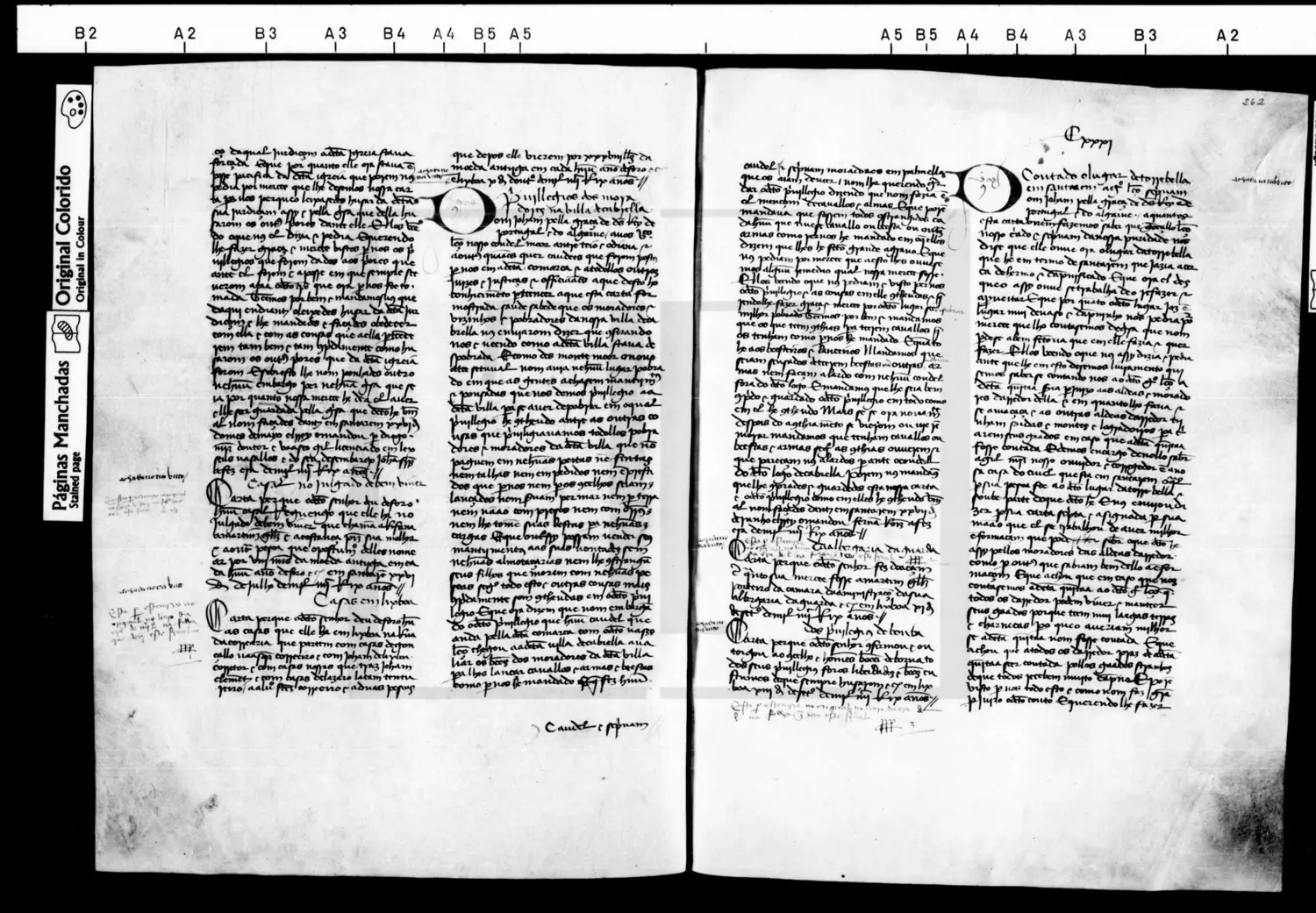
On 26 September 1411 King João I grants the quinta as a couto (protected estate) to Gonçalo Lourenço, his private secretary: outsiders are forbidden to graze cattle, cut timber or hunt there.

Before granting the charter the king sent the magistrate Gil Martins to hear the neighbours, and all agreed. Anyone hunting without leave forfeited the game, the nets and the ferrets.

«Gonçallo Lourenço nosso criado e scprivam da nossa puridade nos disse que elle ouve ora o lugar da torrebella que he em termo de santarem que jazia acerca de hermo e danificado e que ora el des que o assy ouve se trabalha de o refazer e aproveitar»

In English: Gonçalo Lourenço, our servant and private secretary, told us that he has lately acquired the place of Torre Bela, in the district of Santarém, which lay almost deserted and ruined, and that since then he has been working to restore it and put it to use.

ProvenTorre do Tombo, Chancery of King João I, book 3, fol. 131.

Document image: The purchase of the Vale do Vasco

Click the image to enlarge.

1413

The purchase of the Vale do Vasco

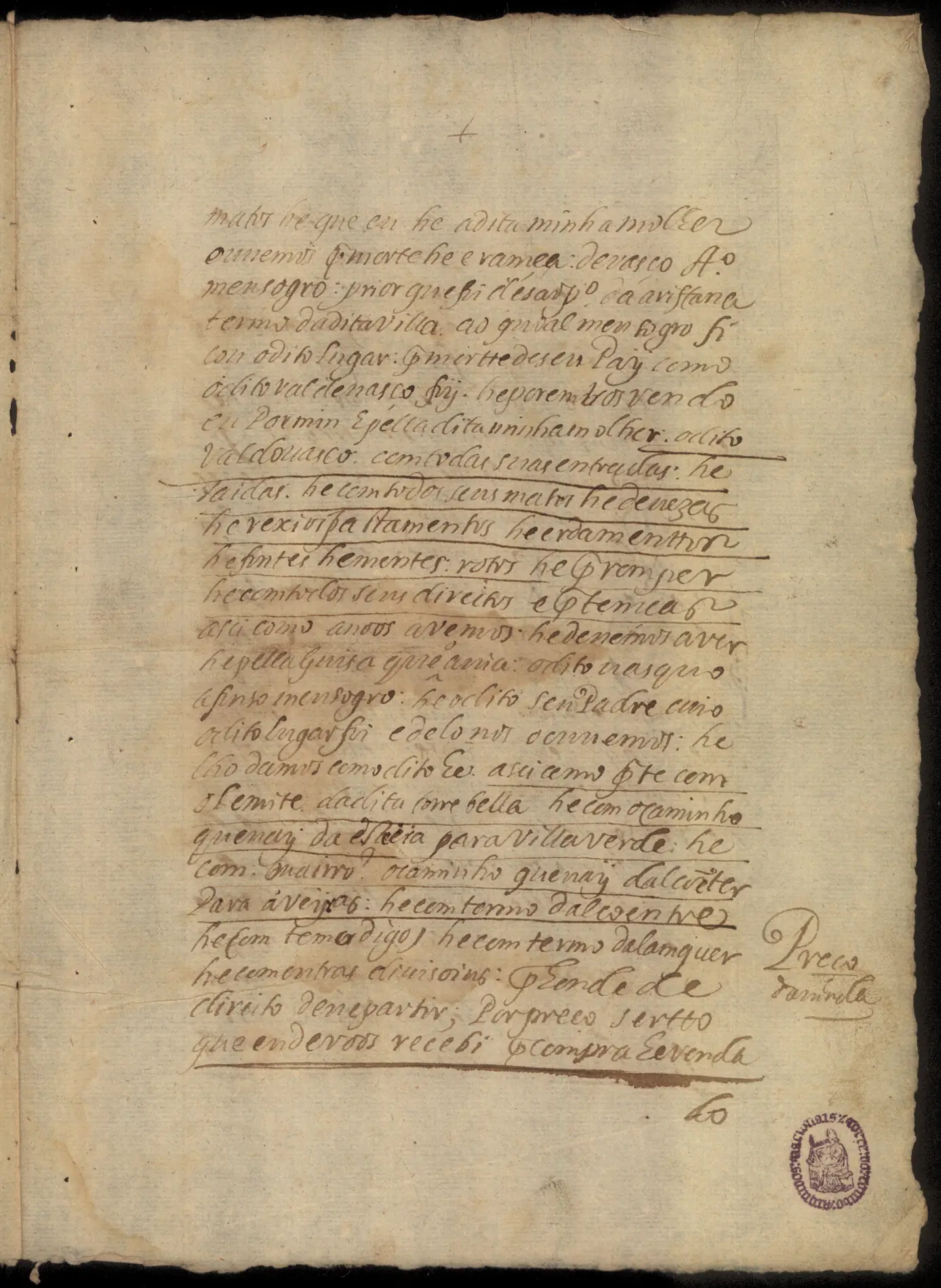
In Santarém, on 7 April 1413, Gonçalo Lourenço and his wife, Inês Leitoa, buy the whole of the Vale do Vasco from Afonso Anes da Barroca, of Alcoentre, for 3,000 libras, paid with a large silver basin and coin.

The deed says the valley borders on Torre Bela. It is known from the copy the Countess of Penaguião had made in 1603.

«asi como parte com o lemite da dita torre bella he com o caminho que vay da esteira para villa verde»

In English: as it borders on the boundary of the said Torre Bela and on the road that goes from Esteira to Vila Verde.

ProvenTorre do Tombo, House of Abrantes, box 16, bundle 45, doc. 874 (copy of 1603).

Document image: «Within the tower and lands of Torre Bella»Document image: «Within the tower and lands of Torre Bella»

Click the image to enlarge.

1498

«Within the tower and lands of Torre Bella»

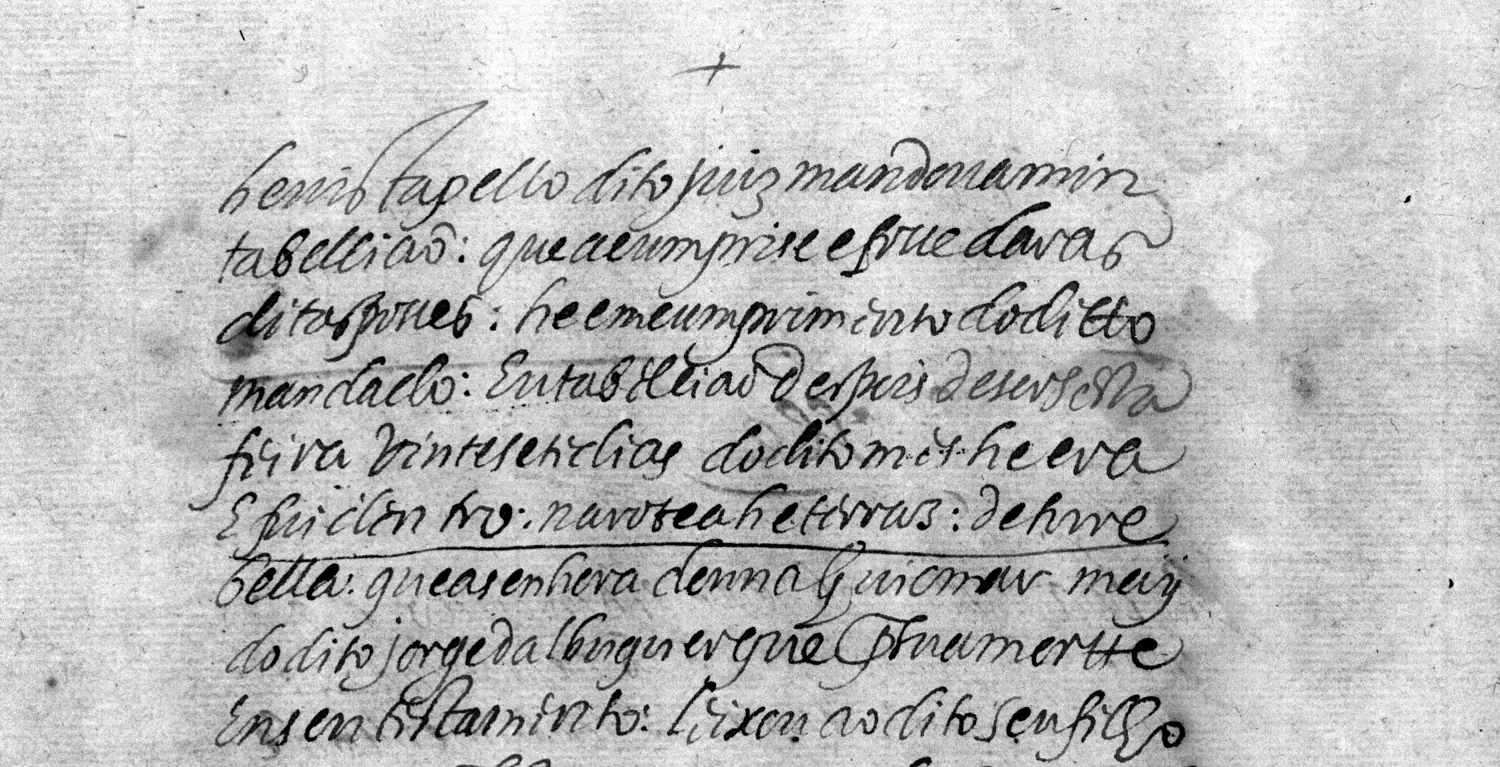
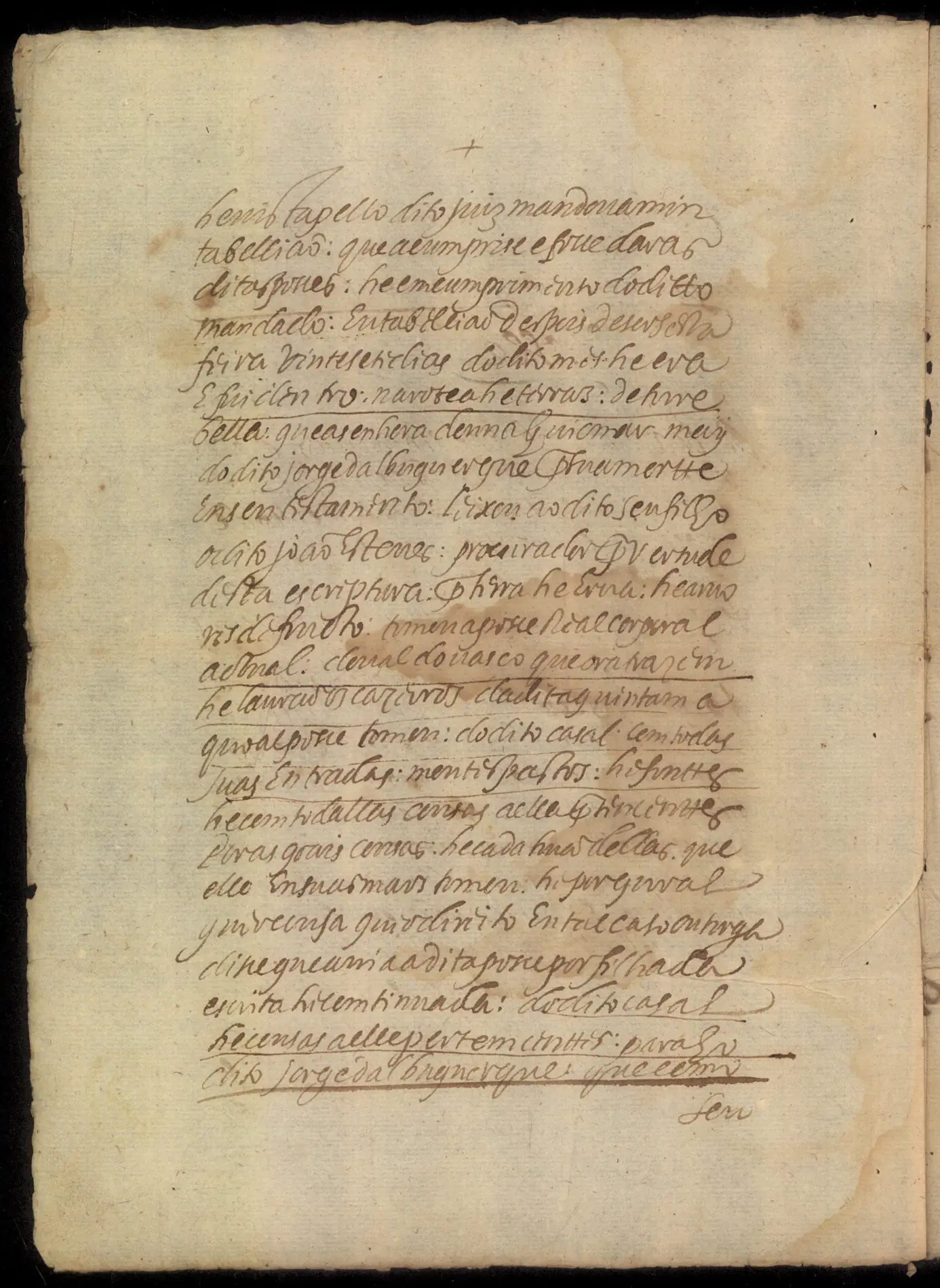
On 27 July 1498 Jorge de Albuquerque’s attorney takes possession of the Vale do Vasco. The notary writes that he did so within the tower and lands of Torre Bela, which D. Guiomar had left to her son in her will.

It is the oldest evidence that the tower which gives the quinta its name existed. Possession was taken in the old manner, with earth, grass and branches of fruit, and one of the witnesses is Fernão Afonso, «caseiro da torre bella» (tenant farmer of Torre Bela).

«e fui dentro: na torre he terras: de torre bella: que a senhora donna Guiomar may do dito jorge dalbuquerque que per sua morte em seu testamento leixou ao dito seu filho»

In English: and I went within the tower and lands of Torre Bela, which the lady D. Guiomar, mother of the said Jorge de Albuquerque, on her death left in her will to her said son.

ProvenTorre do Tombo, House of Abrantes, box 16, bundle 45, doc. 874 (copy of 1603).

Document image: The Albuquerques and the quinta’s wheat

Click the image to enlarge.

1540

The Albuquerques and the quinta’s wheat

In January 1540 a royal ruling orders António de Albuquerque to pay the Crown the jugada, the tax on grain, on the wheat he farmed at the «quintaã da torrebela».

Another case records that in 1535 António de Albuquerque was in Tunis while the wheat was being harvested, «and stayed there all October».

ProvenTorre do Tombo, Gavetas, Gav. 10, bundle 2, no. 7; Feitos da Coroa, book 246, fols. 84v–85.

Document image: The title deeds in the Countess’s keeping

Click the image to enlarge.

1603

The title deeds in the Countess’s keeping

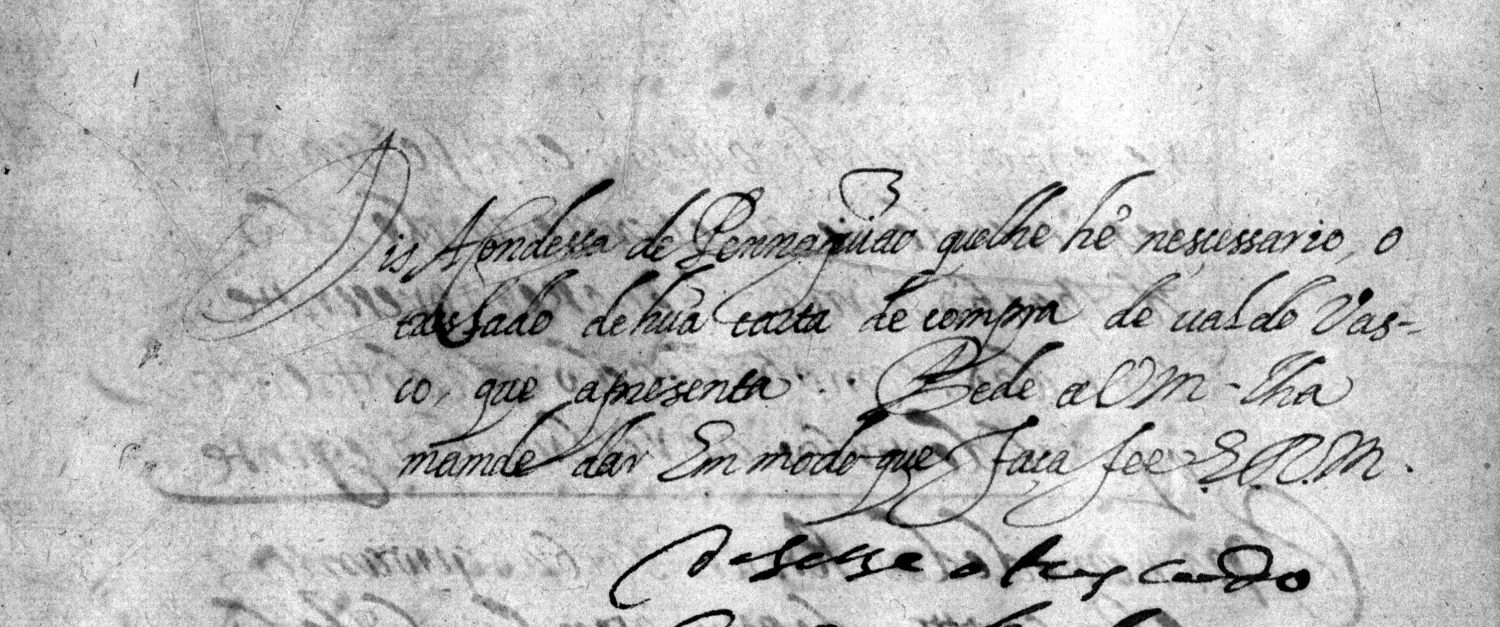
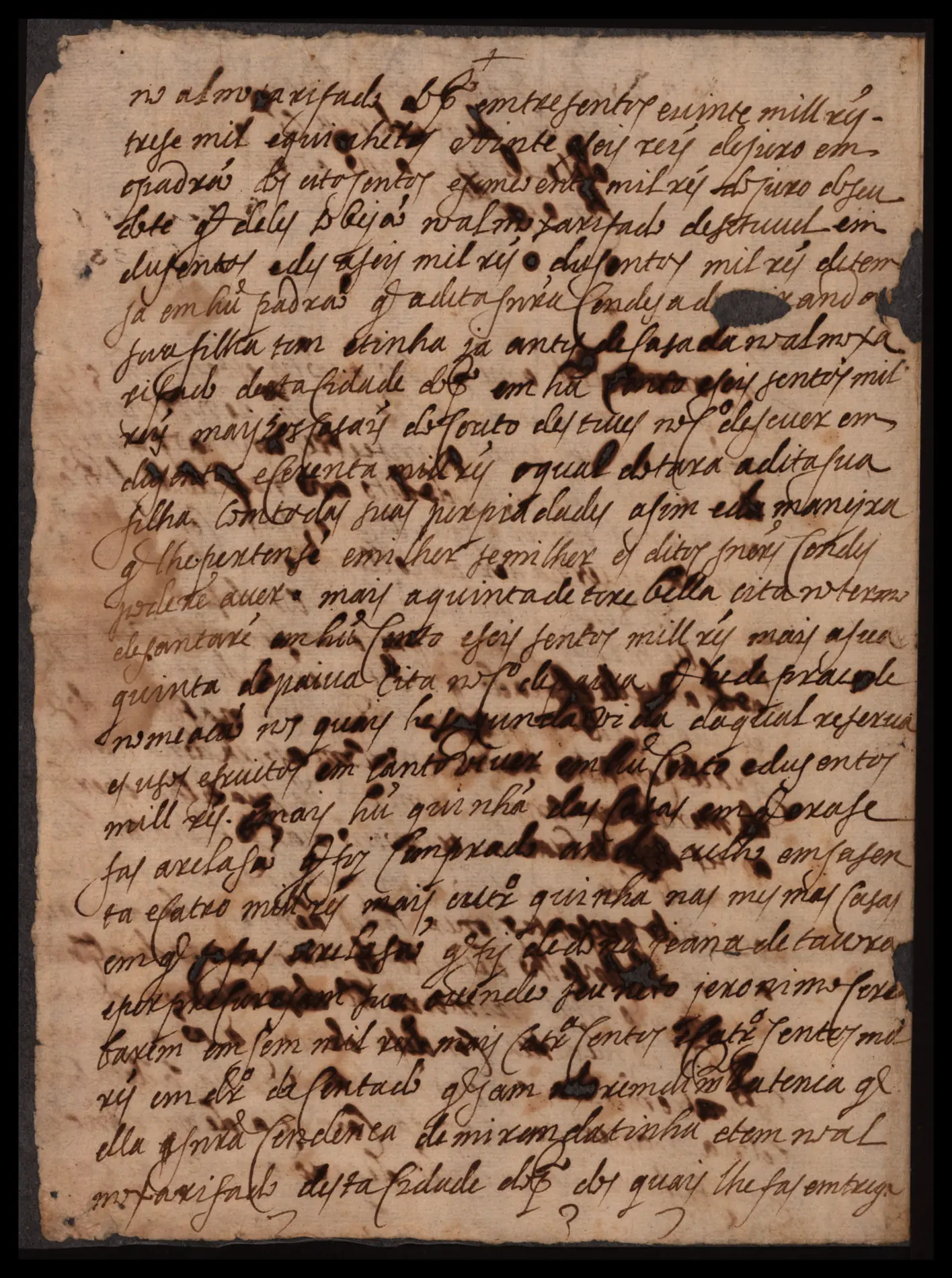
In Porto, on 15 November 1603, the Countess of Penaguião asks for a certified copy of the deed of purchase of the Vale do Vasco. The original parchment was in her keeping.

The Sá family therefore held the quinta’s title deeds twenty years before the dowry of 1623.

«o qual tornei a entregar a Francisco Fragoso escudeiro da dita senhora condessa e residente em sua casa que foi o que mo entregou»

In English: which I returned to Francisco Fragoso, squire of the said lady countess and resident in her house, who was the one who handed it to me.

ProvenTorre do Tombo, House of Abrantes, box 16, bundle 45, doc. 874.

Document image: The quinta given in dowry

Click the image to enlarge.

1623

The quinta given in dowry

On 4 September 1623, in Porto, D. Isabel de Mendonça, Countess of Penaguião, now a widow, gives the quinta of Torre Bela as dowry to her daughter, D. Leonor de Mendonça, wife of the Count of Miranda. D. Leonor is the mother of the future Cardinal D. Luís de Sousa.

The quinta is valued at one conto and six hundred thousand réis. It is the most valuable landed property in the dowry.

«mais a quinta de torre bella cita no termo de santaré em hũ conto e seis sentos mill rs»

In English: plus the quinta of Torre Bela, in the district of Santarém, at one conto and six hundred thousand réis.

ProvenTorre do Tombo, House of Abrantes, box 94, doc. 99 and box 92, doc. 75.

Discover also

Quinta do Convento de Nossa Senhora da Visitação

Serra do Montejunto · Country House · Events · Wines Visit Website

This site uses no advertising or analytics cookies. Videos use YouTube privacy-enhanced mode.